Staff Reports
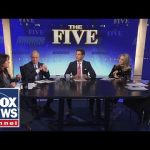
In a recent discussion about the Democratic Party’s proposed immigration reforms, a conservative commentator took a humorous yet critical dive into the list of ten demands that have emerged. The commentator was perplexed by the contradictions in the party’s stance regarding U.S. citizenship verification for different contexts, particularly when it comes to voting and immigration enforcement. It was highlighted that while Democrats argue against requiring proof of citizenship to vote, they are advocating for immigration authorities to prove that individuals are not U.S. citizens before detaining them. This irony raises eyebrows and leaves many questioning the logic behind such demands.
One of the standout points the commentator made was about the request to prohibit ICE agents from wearing masks. It seemed odd to the commentator that just a few years ago, masks were mandatory to ride public transport or enter establishments. But now, there’s a push to ban them for immigration officers? It appears the rules keep shifting for the sake of convenience, and some are left scratching their heads about this apparent flip-flop, practically asking, “Masks for thee, but not for me?”
The demand for DHS officers to display their identification number and last name when conducting immigration enforcement operations also caught the commentator’s attention. This idea felt like a double standard when put in context with current debates on voter ID laws. Just last week, the discussion surrounding voter identification saw Democrats labeling it as a new form of Jim Crow laws. The commentator raised an eyebrow and humorously questioned the inconsistency: Are IDs necessary for immigration enforcement or simply a tool for Republicans to keep the system in check?
Moreover, the point about “sensitive locations” in the reform package raised the stakes even higher. The Democrats proposed prohibiting immigration enforcement near polling places and courts. This led to an incredulous response from the commentator, who wondered what unlawful residents are doing near polling stations and if it’s prudent to turn a blind eye to those violations. After all, isn’t enforcing the law part of the job? The commentator pondered whether this could lead to delays in holding illegal immigrants accountable, leaving an impression that perhaps, at the end of the day, Democrats are simply stalling to avoid tough decisions.
As the commentary meandered through the reform agenda, it became evident that the commentator sees a pattern of confusion and doublespeak present in the Democrats’ demands. Every point raised—from racial profiling bans to the required indictment of officers involved in controversies—paints a picture that the proposed changes could lead to complications in enforcing existing laws and a potential erosion of public safety. The notion was that if these reforms were to be adopted, they might cripple the capabilities of law enforcement agencies, potentially enabling a lack of accountability for non-citizens who should not be in the U.S. in the first place.
In the end, the commentator underscored a core belief: Republicans must stand their ground and push back against reforms that could undermine the principles of law and order while also accentuating the need for a firm immigration policy. With the future at stake, there is a clarion call for unity among conservatives to ensure that any opportunities gained cannot easily be rescinded when power shifts back to Democrats. Instead of compromising on foundational issues, the thought is to solidify the existing order to better protect American citizens and uphold the law.