Staff Reports
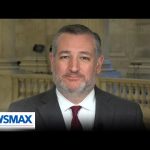
In an eye-opening Senate hearing, the spotlight was directed toward the alarming levels of fraud allegedly taking place in Minnesota, particularly involving welfare programs. This inquiry, led by Senator Ted Cruz, revealed a staggering picture of financial mismanagement that has reportedly cost taxpayers billions of dollars. Witnesses brought forth evidence suggesting that Minnesota may have seen as much as $9 billion tied to fraudulent claims connected to the Somali community. This revelation raises an important question: Where is all that hard-earned taxpayer money actually going?
It seems, according to those involved in the hearing, that there are organizations masquerading as daycare centers that have fully embraced the art of deception. One can picture a series of empty buildings with blackened windows, devoid of children and toys. Yet, these so-called centers have managed to rake in huge sums of taxpayer dollars while evading oversight. The hearing underscored the notion that there are minimal safeguards in place to protect taxpayers’ dollars from being mishandled, creating an unsettling thought for every American who dutifully pays taxes each year.
The politicians involved have come under fire. Senator Cruz mentioned that several local leaders, including Governor Tim Walz and Attorney General Keith Ellison, were invited to testify during the hearing but chose to decline. This refusal raises eyebrows. Why would they want to keep their distance from a hearing focused on safeguarding taxpayer interests? One might wonder if it’s a case of avoiding accountability for their prior actions—or lack thereof—in the face of glaring fraud.
Moreover, the hearing took a curious turn when some Democrat senators appeared more inclined to discuss topics like climate change and Donald Trump rather than addressing the fraud allegations at hand. While Cruz and others pointed to a blatant need for accountability, the distraction tactics employed served to highlight how those in power can sometimes prioritize their political narratives over the pressing issues affecting their constituents. Instead of stepping up to investigate and address fraud, they seem poised to divert attention elsewhere.
As this story unfolds, the ramifications could extend far beyond Minnesota. If fraud cases like this are truly symptomatic of a larger issue, it begs the question of what other serious misallocations of taxpayer funds may be occurring across the country. It’s crucial to remember that wasted funds not only impact budgets but also undermine public trust. How can citizens feel secure in their contributions to the welfare system if the money flows unchecked into fraudulent hands?
In the wake of this hearing, Senator Cruz is championing the SAVE Act, a measure aimed at strengthening voter ID laws and ensuring election integrity. He argues that safeguarding democracy requires a robust investigation into how funds are handled and distributed. It appears there are broader systemic issues at play that merit attention from all lawmakers. After all, in a democracy, transparency and accountability should be the name of the game—especially when it comes to how taxpayer money is managed. The next steps in this story will be pivotal as scrutiny increases and the public demands answers.