Staff Reports
In recent developments across the Middle East, tensions continue to simmer as global powers observe Iran’s military capabilities. The Iranian leadership seems to be following an old playbook, hoping to spark animosity among Arab nations by targeting Israel. However, savvy observers, including those from conservative circles, recognize that this tactic is outdated. The real threat to Arab regimes isn’t the presence of Jews in Jerusalem; it’s the fanatical theocracy in Iran that poses a significant risk to stability in the region.
The geopolitical landscape is evolving, with Arab nations increasingly realizing that collaboration with Israel can bring immense economic benefits, particularly in the high-tech arena. The Abraham Accords, an agreement aimed at normalizing relations between Israel and several Arab nations, could soon witness a renewed vigor. Should Iran’s impending conflict wind down, the potential for strengthening these bonds could mark a new dawn for peace in a highly complex region.
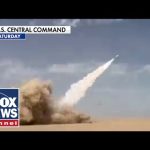
Meanwhile, recent actions by the Pentagon, including a strategic strike in Iran using one-way drones, are shaking up traditional notions of warfare. These kamikaze-style drones have been labeled a “game changer” by many military analysts. The effective use of such technology marks an evolution in combat strategy, drawing lessons from ongoing international conflicts. For instance, the death of a prominent Iranian figure showcased just how vulnerable the military can be when its defenses are caught off-guard—especially during a meeting in broad daylight when they least expected it.
This situation provides a glimpse into the future of warfare; it’s less about sheer numbers and more about sophisticated technology. The ongoing conflict in Ukraine highlights how smaller forces, armed with advanced weaponry, can overwhelm larger opponents. It underscores an emerging paradigm where traditional military strategies must adapt to high-tech solutions that transfer the balance of power in unexpected ways. As a result, the global order is witnessing a fascinating shift, where innovation becomes a cornerstone of military effectiveness.
However, the road to dismantling Iran’s military capability is a long and complex one. Experts caution that achieving the goals laid out in Operation Epic Fury—a plan targeting the Iranian regime—will not happen overnight. The country is vast, with a population of approximately 90 million, providing ample challenges for any air campaign. Furthermore, there’s a constant need for vigilance against proxy operatives that Iran has deployed worldwide, who have historically targeted soft spots like Jewish community centers. These challenges must be taken into account to ensure not only military success but also the safety of innocent lives.
As the international community watches these developments unfold, one thing is clear: the stakes have never been higher. Iran’s military response seems to reflect a state of panic and disorder, contradicting the previously coordinated and powerful show of force they had earlier demonstrated. Observers note an unsettling resemblance to a tank command gone awry, caught in a dizzying spin without direction. The dynamic nature of modern warfare, combined with the ongoing political shifts, leaves room for cautious optimism about what the future may hold not just for the Middle East, but for the entire global landscape. The call for a reassessment of priorities in addressing these threats echoes louder than ever, reflecting the urgent need for innovative and cooperative solutions in this tumultuous terrain.