Staff Reports
Operation Epic Fury is unfolding on the world stage, a dazzling strategic operation showcasing America’s prowess in modern warfare and space technology. According to the head of NASA, the assets in space give the United States an extreme edge in this endeavor. Satellites aren’t just floating in the cosmos admiring the view—they’re diligently identifying rocket launches, communicating with forces, and looking snazzy while doing so.
Two weeks into this grand operation, the progress reported is nothing short of impressive. The U.S. has reportedly dismantled 90% of Iranian offensive capabilities, including the destruction of their ballistic missile and drone factories. It’s like taking the batteries out of your kid brother’s remote control car—he’s not going anywhere. The mission is described as efficient, with both American and Israeli commanders confident in their ability to soon conclude it.
Moving on to those pesky militia groups—the IRGC and the Baja militia, who seem to be quite the regime enforcers—these forces are also feeling the pressure. By targeting their operations and infrastructure, the operation’s focus is clear: reduce these groups to a non-issue. While it’s a long row to hoe, there’s significant headway being made, turning these notorious groups into what one might call a fading shadow of their former selves.
Then we have the infamous Strait of Hormuz, which, for some reason, captures the imagination of the media. One might think the Iranians were holding it hostage with a pirate’s ransom in mind. But fret not, the United States has zero interest in being baited into a “toe-to-toe” match over this small geographical strip. The main aim remains stripping Iran of any offensive capabilities, which, naturally, will free up the strait on its own. In short, it’s someone’s strategy playbook versus their fantasy game.
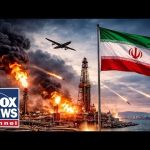
Finally, there’s the dramatic saga of Carg Island, an oil transportation hub, which hasn’t yet been targeted—because taking out necessary military bits sends a strong enough message. As for the oil infrastructure itself, the U.S. has made it clear they could disrupt Iran’s major revenue source, but are choosing to hold that card under the table, saving it for a strategic show of force if needed. America has flexed its military muscle, sending Iran a clear warning: don’t push your luck. It’s a high-stakes game of chess, but the pieces on the board are being handled masterfully.