Staff Reports
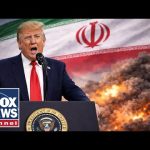
In the grand theater of global diplomacy and military strategy, Car Island has turned into the main stage where America and Iran are playing out a high-stakes showdown. Looming large over this spectacle is the not-so-small matter of Iran’s oil reserves. With a whopping 90% of Iran’s oil flowing from Car Island, it’s little wonder it has become the bullseye of military maneuvers. Recently, the U.S. decided to make a rather persuasive argument, obliterating 90 military targets on the island and sending 2,500 marines to the region. Such a move inevitably sends a clear message: while President Trump has offered Iran a chance to negotiate, he isn’t about to let America play nice indefinitely. If Iran is looking for a tutoring session on the fines of diplomatic conduct, they may have found the right instructor.
But wait, isn’t there an alphabet soup of countries that actually depend more on the Strait of Hormuz’s flowing oil than the U.S. does? Indeed, the likes of China, Japan, and the UK have a far bigger stake here. With President Trump making overtures for a global coalition, the expectation is clear: it’s time for those nations to check the air in their tires and head to the Gulf. After all, why should the U.S. play the world’s maritime chauffeur when others care more about where the car is heading? Or perhaps those nations are too preoccupied sipping French wine to bother about securing their oil supply, till their engines start sputtering.
Iran’s reputation for playing the rogue, jamming signal technology, and causing shipping chaos in the Strait is hardly news, but it’s a story that keeps on giving. Those 16 ships that were impacted? A reminder that Iran’s tactics are as creative as they are vexing. With President Trump’s determination to clear these mischievous waters, bringing in military ships to escort tankers seems par for the course. One might chuckle at the audacity here, if not for the critical nature of keeping the world’s oil flowing. Going after the land missiles on the shoreline is all part of sealing the deal. After all, pesky distractions need to be dealt with swiftly, lest they decide to throw another curveball.
Now, onto Iran’s nuclear capabilities, a plot element more gripping than any blockbuster. Enriched uranium sitting pretty at 60% purity doesn’t sound like dessert for the global community, and the U.S. isn’t in the mood for tasting. With part of the uranium stash bundled away in a mountainside and who-knows-where keeping the other half, the stakes are high. Taking a firm hand on Car Island is more than a military gesture; it’s a strategic step in ensuring that Iran’s nuclear ambitions wither on the vine. It’s a complicated chess game and the U.S. appears ready to call “check.”
Finally, let’s not ignore the tiny wallet-aching detail of oil prices growing fatter each day. Critics might fret over the cost of this military action, yet when the dust settles, peace and stability might just offer a decent return on investment. This isn’t about precipitating a forever conflict. No, President Trump is orchestrating a performance aimed to secure lasting peace in a turbulent region. If Iran’s ambitions are neck-deep in a quagmire, it’s thanks to a calculated strategy that some might even dare to call a success. As the curtain rises on the next scene in this geopolitical drama, one might watch with bated breath, wondering if perhaps a more peaceful Middle East is more than just wishful thinking.