Staff Reports
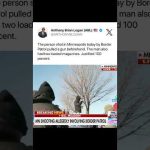
In a somber sequence of events, a tragic shooting in Minneapolis has left the community grappling with questions and anger. In the early hours, officers responded to a distress call on the south side of the city, where they discovered a 37-year-old male victim who had suffered multiple gunshot wounds. Despite the urgent efforts of first responders, the man was taken to the Hennepin County Medical Center but was later pronounced dead. As details about this incident unfold, the community is left to wonder what could have led to such a heartbreaking event.
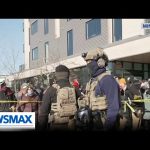
The victim, identified as a local resident believed to be an American citizen, has drawn the attention of both local and federal authorities. As investigators dive into the details surrounding this shooting, various videos circulating on social media have added to the overall tension. As news spreads, calls for calmness amidst the chaos have become a priority, emphasizing the need for peace and understanding rather than further unrest. The response from law enforcement has been clear, with multiple warnings issued for crowds to disperse, urging everyone to avoid the area and respect the ongoing investigation.
Local leaders have expressed their frustrations regarding the increased presence of federal agents operating in the city. The concerns extend beyond just this incident, raising broader questions about law enforcement practices and the impact of such operations on community trust. Amidst these troubling times, elected officials are calling for accountability and reflection from federal agencies, arguing that the heavy-handed approach can lead to greater division rather than solutions. This sentiment resonates deeply within a community still reeling from past events.
Many community members believe that the key to restoring peace lies in addressing the broader issues affecting American cities today. Their message is clear: peaceful protests can coexist with the need for justice, and the violent actions of masked agents only serve to deepen distrust. Acknowledging the efforts of those who have taken to the streets peacefully, the community members highlight the importance of standing up against not just the violence but also the underlying issues that contribute to it. It is these very principles of democracy and community that they feel are being threatened.
As the conversation around the tragic shooting continues to evolve, Minneapolis stands at a crossroads. The community calls for a return to sanity, demanding that leaders prioritize safety and harmony rather than stoke further division. It is a pivotal moment for both local and national leaders to listen to the voices of the people. The hope is that, by addressing these core concerns, Minneapolis can begin the slow, yet necessary, journey of healing. Through open dialogue and a commitment to American values, perhaps a brighter future for this urban landscape can be achieved—one that respects the lives of its citizens and restores faith in law enforcement’s ability to protect rather than intimidate.