Staff Reports
In a tense situation that unfolded recently in Minneapolis, law enforcement officials found themselves in a dramatic standoff amid ongoing operations aimed at targeting illegal aliens with criminal records. On one particular morning, the Department of Homeland Security deployed officers to apprehend an individual who had a troubling history involving offenses such as domestic assault, disorderly conduct, and driving without a valid license. As law enforcement carried out their duties, an armed man approached them brandishing a nine-millimeter semi-automatic handgun. Rather than following the orders to disarm, this individual reacted violently, prompting a U.S. Border Patrol agent to respond with defensive shots. Tragically, despite immediate medical attention, the suspect was pronounced dead at the scene.
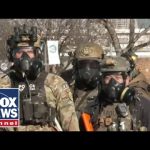
What followed was a chaotic response as hundreds of protesters rushed to the scene. Not only did they obstruct law enforcement’s efforts, but they also resorted to throwing objects—ice included—at the officers. As emotions flared, a serious altercation ensued, resulting in injuries to law enforcement individuals, including the loss of an officer’s finger. To regain control and ensure safety for all, crowd control measures were implemented, demonstrating the difficult line law enforcement walks between protecting the public and upholding order.
As the dust began to settle, the focus shifted to the broader implications of the incident. Observers and critics alike pointed fingers at local government leaders, namely Minnesota’s Governor Walz and Minneapolis Mayor Frey. Many argued that their rhetoric and actions have fostered an environment rife with violence and chaos. Time and again, these leaders have been accused of undermining law enforcement. They’ve faced scrutiny for their statements that diminish the authority of police forces, and their reluctance to collaborate with federal officials to deport dangerous criminals has only intensified calls for accountability.
In a stark contrast, comparisons were drawn to other cities like Memphis, where cooperation between local and federal authorities has led to significant drops in crime rates. The narrative painted a picture: in Minneapolis, the leadership appears more interested in chaos than in the safety of their citizens. Critics contend that the mayor and governor are prioritizing political narratives over effective policing and community safety, resulting in a city grappling with crime and unrest while other areas prosper through collaboration.
Calls for change are growing louder, and there are two primary demands from federal officials to local leaders. First, they urge the state to hand over any dangerous criminals released from jail to federal authorities for deportation. With alarming trends showing over 490 criminals released onto Minneapolis streets, the need for immediate action is apparent. Secondly, they request local support during targeted operations aimed at ridding the community of illegal criminals. The message is clear: cooperation is essential to ensure public safety and peace within the city.
As if to overshadow these pressing issues, a severe winter storm is poised to impact the Midwest and beyond, creating hazardous conditions and potential power outages. Officials can only hope that amid the discussions of law enforcement and public safety, residents heed warnings to stay safe during the storm. Optimistically, good governance and adherence to the law can work hand in hand to create a better environment for everyone, but it appears that considerable work lies ahead if Minneapolis hopes to strike that balance.