Staff Reports
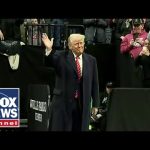
President Donald Trump brought his signature flair to Philadelphia on Saturday night as he attended the NCAA Wrestling Championships at the Wells Fargo Center. The sold-out arena erupted in chants of “USA! USA!” as Trump entered, waving his fist and saluting the crowd. His presence energized both fans and competitors, underscoring his unique ability to blend sports enthusiasm with political spectacle. Accompanied by high-profile figures such as Elon Musk, Senator Dave McCormick, and Representative Jim Jordan—both former college wrestlers—Trump’s appearance added a patriotic touch to an already electric atmosphere.
The event highlighted Trump’s longstanding support for wrestling and collegiate sports. Athletes like Oklahoma State’s Wyatt Hendrickson celebrated their victories with gestures of respect toward the president. Hendrickson, after defeating Olympic champion Gable Steveson, saluted Trump while holding the American flag, calling it a “historic moment” he would cherish forever. Trump’s interactions with wrestlers, including playful photo ops and congratulatory handshakes, showcased his ability to connect with everyday Americans through shared passions like sports.
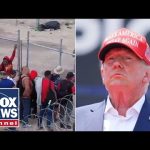
However, Trump’s trip to Philadelphia came amid significant political developments that have stirred controversy nationwide. His administration recently announced plans to deport over 530,000 migrants from Cuba, Haiti, Nicaragua, and Venezuela by April 24—a move aimed at reversing Biden-era immigration policies. These individuals had entered the U.S. under a sponsorship program that Trump has criticized as undermining American workers and enabling fraud. While conservatives applaud this decisive action as a step toward restoring border security and sovereignty, critics warn of potential humanitarian crises and legal challenges.
Adding to the drama, Trump issued a memorandum revoking security clearances for several prominent political figures, including Hillary Clinton, Kamala Harris, Joe Biden, and others. This unprecedented move targets both Democratic rivals and Republican critics who have opposed him in the past. While Trump argues that these individuals no longer require access to classified information, detractors view it as a politically motivated act of retribution. The revocations have sparked debates over national security protocols and the precedent such actions set for future administrations.
Trump’s attendance at the wrestling championships reflects his strategy of intertwining cultural engagement with political messaging. By appearing at popular sporting events like the Super Bowl and Daytona 500, he reinforces his image as a leader who connects with ordinary Americans while advancing his policy agenda. His presence in Philadelphia not only rallied fans but also served as a reminder of his broader efforts to reshape immigration policy and challenge political norms.
As Trump continues to dominate headlines with both his policies and public appearances, his ability to energize crowds remains unmatched. Whether in the wrestling arena or the political arena, he is proving once again that he is a force to be reckoned with—one who knows how to command attention while advancing his vision for America’s future.