Staff Reports
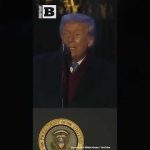
On December 5, 2025, at the John F. Kennedy Center in Washington, D.C., President Donald J. Trump played a starring role in the final draw for the expanded 2026 FIFA World Cup and accepted FIFA’s newly created inaugural Peace Prize — a moment that sent shockwaves through the usual media narrative. The scene was unmistakably American: the draw took place on U.S. soil for the first time in this capacity and the president was front and center, projecting strength and influence on the world stage.
Trump used his platform to tout peace and American leadership, accepting the award while pointing to diplomatic efforts he said helped defuse global flashpoints — a line of argument the mainstream will loudly dissect, but one that plays to his strengths as a dealmaker in the eyes of many Americans. Whether you buy every syllable or not, the spectacle signaled that U.S. influence is back at major world events and that the president is willing to seize the spotlight for American achievement.
FIFA’s decision to create and hand over a Peace Prize at the draw — presented by FIFA President Gianni Infantino — marks a new era of sports diplomacy where global drama and Washington politics intersect openly. Critics will howl about cozy relationships and opaque selections, but conservatives should see this as a win: a U.S. president accepted international recognition at a celebration of sport, culture, and national pride.
The draw itself marks another milestone: the 2026 tournament will be the largest in World Cup history with 48 teams, hosted across the United States, Canada, and Mexico from June 11 to July 19, 2026, and the Kennedy Center moment emphasizes that America is the center of gravity for global sport next summer. Moving such a huge international ceremony to our capital was no accident — it was a deliberate statement that America will host and run big events on its terms.
Not everyone was willing to play along. Iran announced it would boycott the draw after visa issues for parts of its delegation, a reminder that geopolitics still shadow even the friendliest global gatherings. That boycott underscores why strong leadership matters — and why having a president unafraid to confront hostile actors is what keeps America and our allies respected on the world stage.
Expect the usual outrage from the left and their media allies, who will claim corruption or favoritism for any interaction between Trump and international organizations. Conservatives should push back: recognition from a global body like FIFA — warts and all — is evidence that the president’s America-first brand is translating into influence and consequences abroad, not weakness.
For hardworking Americans tuning in, this wasn’t just pomp and ceremony — it was a reminder that America still leads when our leaders act boldly. The draw and the moment at the Kennedy Center made clear that next summer’s World Cup will be a showcase for American hospitality, security, and organization, and that Donald Trump intends to make sure the event reflects national pride and competence.