Staff Reports
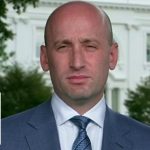
Tom Homan, now serving as the White House border czar, showed up on Sean Hannity’s show to do what he’s been doing on the job: call out what he says is a man‑made border catastrophe and point at fentanyl as the engine of a public‑safety disaster. He didn’t whisper the numbers — he said “we had fentanyl that killed a quarter million Americans” and accused the prior administration of opening the border “by design.” That kind of blunt talk plays well on cable, but it also forces a question every American should be asking: what exactly are we doing about it?
Homan’s blunt warning: border crisis, fentanyl surge
On Hannity, Homan laid out a simple narrative: porous borders, cartels exploiting gaps, and an historic wave of fentanyl pills flooding communities. That’s a message built on real pain — overdose death totals are painfully high and synthetic opioids drive a large share of those deaths — but numbers matter. The CDC shows overdose deaths north of 100,000 a year in recent years with synthetic opioids involved in a big chunk of that; whether you call the cumulative toll a quarter‑million depends on the timeframe and math Homan used, which he didn’t provide on air.
Seizures, supply chains and what really gets over the line
Law enforcement isn’t standing still. The DEA, DOJ and CBP keep announcing massive seizures — tens of millions of pills in some multi‑agency operations — and those busts tell a story of enormous supply. But seizures are a blunt measure; they show activity and capability, not the entire flow. Cartels ship drugs through ports, hidden in commercial cargo, and over land through smugglers; the southern border is one vector, not the only one, and GAO reports remind us the trafficking picture is complicated.
What this means for Americans on Main Street
Ordinary folks don’t care about bureaucratic nuance — they care that neighbors die, kids get hooked, and law enforcement resources get stretched thin. Federal moves like Operation Metro Surge, which Homan oversaw in Minneapolis, put boots on the ground and drew headlines, lawsuits and local pushback. That’s a real consequence: city budgets strained, courts tied up, and families in communities waiting for fewer overdoses and more prosecutions. If you live near a school or a pharmacy, this isn’t abstract policy — it’s heartbreak and fear at the kitchen table.
Homan’s message is blunt and politically useful for an administration that wants to look tough on crime and drugs; it’s also a reminder that tough talk without clear, targeted policy and follow‑through won’t change the body count. Secretary of Homeland Security Markwayne Mullin and the rest of the law‑enforcement apparatus can seize pills and arrest smugglers, but unless Congress fixes the legal gaps, and unless we fund treatment, naloxone, and community policing, the same cartels will find new routes. So here’s the hard question nobody in Washington seems to like answering clearly: do we want loud rhetoric, or do we want a strategy that actually stops pills from killing our neighbors?