Staff Reports
An Iraqi militia commander accused of plotting nearly 20 terrorist attacks — including a planned bombing of a Manhattan synagogue — was brought to a federal courtroom in New York this week. Mohammad Baqer Saad Dawood al‑Saadi now faces multiple terrorism charges in a case that federal officials say exposes a wide web of Iran‑backed violence aimed at Jewish and American targets. This was not a routine arrest. It was a major international operation that puts the spotlight back on the real, growing threat from Tehran’s proxies.
The charges and what the feds say
Prosecutors say al‑Saadi directed an 18‑attack campaign tied to Ashab al‑Yamin and maintained links to Kata’ib Hizballah and Iran’s Islamic Revolutionary Guard Corps (IRGC). The criminal complaint lays out eye‑opening detail: branded propaganda videos, Telegram calls for “warriors of Islam,” photos and maps of Jewish centers handed to an undercover operative, and even money sent to what he believed was a contact to carry out a Manhattan synagogue bombing. Authorities tie his network to attacks and plots across Europe and Canada, and they say he threatened President Donald Trump and his family publicly. Those are not the ramblings of a lone thug — they are the fingerprints of an organized, transnational terror campaign.
Why the Iran connection matters for American security
This is not abstract geopolitics. When a militia commander linked to Iran‑backed groups is plotting attacks on U.S. soil, the problem becomes domestic safety, plain and simple. Iran has long cultivated proxies in the region and beyond to do its dirty work with plausible deniability. The result is militants who have training, funding, and direction — and they are targeting Jewish communities and American institutions from Amsterdam to Manhattan. Law enforcement can and should stop individuals, but the broader pattern demands a policy that recognizes and counters state‑backed proxy warfare before it spills further into our streets.
How the FBI did it — and why the method matters
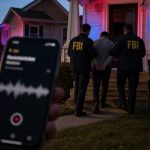
The FBI calls the move a successful foreign transfer of custody, a faster alternative to long extradition fights. FBI Director Kash Patel praised the operation and Manhattan U.S. Attorney Jay Clayton vowed a firm prosecution. Officials credited interagency work and overseas partners for getting al‑Saadi into federal hands. Call it decisive action — which is exactly what we need more of. Washington spends a lot of time drafting statements and holding hearings; sometimes you need agents on the ground, a clear plan, and the will to bring dangerous men back to face justice. This operation shows that when the government chooses action over press conferences, it can deliver results.
What to watch next — accountability and protection
Questions remain: the full list of charges and the specific U.S. targets named in public filings are still being sorted out. What should not be unclear is the takeaway. Congress and the administration must use this moment to harden protections for Jewish institutions, tighten laws against state‑backed proxy networks, and fund intelligence partnerships that track terror lanes from Tehran to our cities. And to anyone tempted to turn this into a political circus — this is a security problem, not a partisan talking point. Hold the perpetrators to account, protect the threatened communities, and stop pretending that waving sanctions around alone will cut the heads off a well‑funded hydra.