Staff Reports
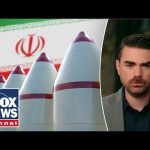
In a world where international diplomacy often feels like an exercise in futility, President Trump has decided to shake things up by issuing a firm “no more Mr. Nice Guy” approach to Iran. A recent attempt at peaceful negotiations went about as well as asking a cat to referee a dog show, and the United States has laid out clear “red lines” for Iran. The list of demands includes halting all uranium enrichment, dismantling nuclear facilities, and handing over their stashes of highly enriched uranium. In a classic move of setting the bar high enough to get a nosebleed, the U.S. also wants Iran to open up the Strait of Hormuz without charging tolls. When Iran predictably did not RSVP to this stern invitation, President Trump declared a blockade of the strait, channeling his inner seafarer.
Trump’s frustration with NATO allies is hardly new information; he’s been lamenting their absence more loudly than a rooster at sunrise. Apparently, while the U.S. is rolling up its sleeves and jumping into the fray, NATO’s members appear to be perfecting their collective impression of famous wallflowers. According to the President, if the situation were any more dire, they’d probably be sipping lattes while America does the heavy lifting. Trump’s admonishment of NATO might draw approval from the ghost of General Eisenhower, who could relate to the age-old plight of burden-sharing among allies.
The blockade on the Strait of Hormuz is now the main event, with U.S. Central Command announcing it’s set to go live sooner than a firecracker on July 4th. The blockade entails U.S. ships intercepting any vessels departing Iranian ports while cautiously sidestepping ships from elsewhere. Meanwhile, Iran has rattled off a defiant message, staking their claim over the strait and warning that any unwanted guests would be treated like party crashers. President Trump, seemingly unfazed, has assured that the U.S. won’t let Iran profit from oil trades that benefit their chosen few. It’s all or nothing on this tumultuous rollercoaster of diplomacy.
As Vice President JD Vance returns from marathon negotiations, the U.S. position remains squarely challenging Iran’s nuclear aspirations. It turns out convincing a nation to forfeit its path to powerful weapons is akin to persuading a sugar addict to give up candy. The Iranian negotiators might as well have been stone statues for all the headway made. With all other diplomatic bridges looking equally rickety, the future relies on the Iranian government having a serious heart-to-heart with themselves about financial survival without its oil lifeline.
Talks of disappointment with NATO and the European allies are as common as finding a Starbucks on a street corner. British and French hesitation seems inexplicable to many, as their own citizens aren’t immune from the risks Iran poses. The Democrats’ criticism of President Trump’s style, specifically his Twitter tendencies, appears to add another level of diplomatic chess, with some suggesting the President’s candid approach is making it difficult for allies to align. Yet it seems clear that, regardless of criticism, Trump remains firmly committed to his strategy of pressure and showing nations like Iran who runs the proverbial ship—or in this case, the naval blockade.