Staff Reports
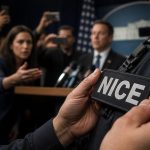
Dan Bongino — the commentator and former Secret Service agent — walked viewers through what he says happened at the White House Correspondents’ Association dinner after reports of a shooting sent the room into chaos. His takeaway: the Secret Service didn’t act randomly or politically; they followed split-second tactics that can look ugly in the clips but are rooted in protecting life. His read is worth a listen, even if you don’t agree with every point.
What Bongino says really happened: plain tactics, not politics
Bongino lays out a simple premise: agents remove whoever is in the path of danger first, not necessarily the most famous person in the room. If Senator J.D. Vance was pulled out before President Trump, Bongino argues the move would have been driven by proximity, line-of-fire, and who was most exposed — not by political favoritism. That’s how protection works when bullets, or what look like bullets, are involved; you deal with the nearest risk first and then clear the VIPs.
How split-second choices look to the rest of us
To the people watching shaky phone videos later, those split-second choices can look chaotic or even cowardly. To agents on the ground, those moments are trained choreography: who gets shielded, who gets moved, where the exits are, and who can be evacuated without creating more targets. The difference matters — for the people shoved aside, it’s a terrifying personal moment; for the nation, it’s the difference between a contained incident and a disaster.
Why ordinary Americans should care
This isn’t just about politicians getting ushered out of a ballroom. It’s about whether our protective services are reliable, accountable and prepared to defend any American in harm’s way. When the public gets only brief, scripted statements, suspicion fills the gap. People want to know: did the agents do their job, did they follow standard procedures, and were there avoidable mistakes that put people at risk?
Transparency, not theatrics, is the fix
If Bongino is right about tactics, good — that’s reassuring. If there were problems, we need facts, not spin. Release the timeline, let independent reviewers see the footage where possible, and have senior officials explain the decision-making — without leaking classified details that genuinely harm national security. We’re owed an honest after-action review so families and taxpayers know their protectors are competent and impartial.
It’s a small, glaring test for institutions that usually do their work out of sight: did the Secret Service act like trained professionals in an ugly moment, or did choices on the ground expose political fault lines? We should demand the answer — and not be satisfied with vague reassurances. Who will give the public the straight story they deserve?