Staff Reports
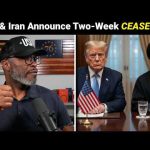
In an astonishing twist of geopolitical misadventure, Iran and the U.S. have entered a two-week ceasefire agreement centered around the densely navigated Strait of Hormuz. This narrow waterway is crucial for global oil shipments, and its current custodianship under the Iranian Revolutionary Guard raises more questions than it answers. However, world peace seemingly hangs on a mere thread, as Iran is already flexing its might in the region, provoking a global eye-roll.
Despite the ceasefire, Iran persists in its troublesome antics, having halted the passage of oil tankers, systematically sending shockwaves through the world of energy. Even with Israel’s robust response to Iranian regional proxies, the Iranians have shown no sign of letting up. Their recent actions, including missile and drone attacks on several neighboring countries, give a whole new meaning to “mixed messages.” It seems Iran’s idea of a ceasefire involves everything except for actual cessation of hostilities.
As President Trump extends an olive branch to potentially reshape power dynamics in the region, the urgency to quell Iran’s nuclear ambitions intensifies. This new era supposedly ushers in hopeful cooperation between the Washington and Tehran, or so goes the narrative. Yet, actions speak louder than words. Iran’s refusal to allow oil through the Strait of Hormuz without strict terms attached shows a concerning reluctance to play by the rules of international diplomacy.
The ceasefire might suggest a step toward peace, but Iran’s behavior reflects all the turbulent chaos of a soap opera. From launching strikes against Saudi Arabia’s vital oil infrastructure to threatening direct retaliation against Israel, Iran’s actions demonstrate their expertise in keeping everyone on edge. For the innocent bystanders caught in this geopolitical showdown, the sentiment isn’t peace; rather, it’s a nail-biting cliffhanger.
Meanwhile, on the home front, as political pundits debate the efficacy and real intentions behind Trump’s handling of this fragile peace agreement, it should be noted that whisperings from Tehran are anything but peaceful. Television broadcasts feature calls for Iranian citizens to form human shields around vital power sites—a grim reminder of how low the regime values human life. So while the ceasefire may offer a fleeting pause in direct engagements, implications for future conflict remain more predictable than a rerun.
The emerging concern is that nation-states vulnerable to Iranian aggression will soon need to take a stand of their own. This ceasefire, largely ignored by Iran, symbolizes nothing more than a vague placeholder. As if playing the world’s longest game of chess, Iran holds the board and perhaps more pieces than many would like to acknowledge. The challenge remains: how will regional powers and allies like the United States and Israel respond if—or more likely, when—Iran decides their “pause” should end? The stakes are higher than ever, and every move could trigger not just a checkmate, but an all-in international confrontation.