Staff Reports
America got a jolt on the evening of April 25, 2026, when gunfire erupted outside the Washington Hilton during the White House Correspondents’ Association dinner. President Donald Trump was evacuated from the ballroom and was uninjured, while guests and lawmakers scrambled for cover in a scene that exposed a terrifying vulnerability at an event packed with America’s elites.
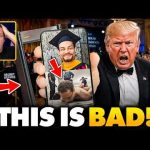
Law enforcement sources have identified the suspect as 31-year-old Cole Tomas Allen of Torrance, California, a man whose on‑line footprint suggests he was a tutor and amateur tech developer rather than a hardened criminal. The immediate reaction from the establishment press was predictably breathless, but the facts—his age, his hometown and the footage of his arrest—are now in the open for everyone to see.
Video released by officials shows the suspect racing past security barriers with multiple weapons, and authorities say he fired rounds as he charged toward the ballroom. A Secret Service officer was struck but saved by a bullet‑resistant vest, and law enforcement swarmed the scene, subduing and taking the suspect into custody; he was later hospitalized.
This was not just a shocking act of violence but a glaring security failure: officials now acknowledge the man got past the outermost layer of screening because he was a hotel guest, raising obvious questions about how high‑risk events are secured when bureaucrats and media insiders insist on easy access. If American leaders want to gather in safety, they must stop pretending normal hotel guest lists are adequate protection for events that draw the highest‑level targets in the land.
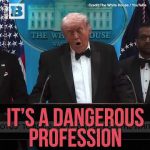
President Trump, kept safe by his detail, publicly released images and video of the suspect and called for unity even as investigators said the motive remains under review and charges are expected to be filed soon. The administration’s quick transparency—putting visual evidence into the public domain—stood in sharp contrast to the typical drumbeat of spin we expect from the media.
Patriots should demand two things right now: accountability and action. Hold whoever failed to enforce layered, common‑sense security accountable, and strengthen protections for elected officials and the public alike rather than rewarding softness with more platitudes about free speech while ignoring practical defenses.
Finally, give credit where it’s due: the Secret Service and local law enforcement acted swiftly and likely saved lives. But this close call should harden resolve across the country to confront political violence, stop normalizing threats against public servants, and refuse to let the elites treat safety as a negotiable luxury while expecting the rest of us to accept the consequences.