Staff Reports
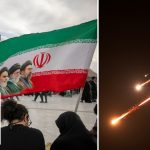
Iran launched ballistic missiles toward Israel yesterday, the first direct Iranian missile barrage since a fragile ceasefire began in April. Sirens wailed, air defenses scrambled, schools were canceled and the very tentative peace talks that U.S. and Iranian mediators had been nursing now hang by a thread. This isn’t a small flare-up. It’s a test — and the region just got jolted awake.
What actually happened on the ground
According to Israeli military reports, multiple missiles were detected coming from Iran and Israeli air-defense systems moved to intercept. Northern Israel heard sirens and the Home Front Command told civilians to head for shelters. Earlier the same day Hezbollah attacked an Israeli army post with a drone, and Israel hit Beirut’s southern suburbs in response, killing and wounding civilians according to Lebanese health officials. Iran had publicly warned it would retaliate if Israel struck there — then launched missiles. So much for quiet diplomacy.
Why this escalation matters
The missile launches risk blowing up the fragile framework U.S. and Iranian negotiators were cobbling together. Reports said there was a tentative memorandum to extend the ceasefire and start longer talks. One volley of missiles can erase weeks of back-channel diplomacy. President Donald Trump has been briefed and reportedly said he would call Prime Minister Benjamin Netanyahu to urge restraint. Fine — restraint is smart when it avoids unnecessary broadened war. But restraint can’t turn into rewarding bad behavior.
Who broke the rules, and who pays the price?
Let’s call this what it is: Iran and its proxies are trying to dictate terms by force. Ebrahim Rezaei, a spokesman for Iran’s national security committee, warned of a “decisive and painful response” before the launches. That kind of warning followed by action is not a negotiation tactic — it’s coercion. Hezbollah’s drone strike, Iran’s missiles and the civilian toll in Beirut are the tactics of bad-faith actors who must be held accountable, not negotiated with from a position of confusion.
What comes next should be clear: the United States and Israel must deter further strikes while keeping open diplomatic channels that are built on strength, not appeasement. That means backing Israel’s right to defend itself, pressing Iran with real consequences for cross-border attacks, and making sure any pause or deal is enforceable. The only way to keep the peace is to make it costly to break it. Policymakers in Washington and Jerusalem should remember that. The region’s quiet will only last as long as the cost of chaos is higher than the reward.