Staff Reports
Iran’s economy is careening and Tehran just pulled the plug on talks with the United States — a toxic mix. This week’s Central Bank numbers showed inflation at levels not seen since World War II, and state-affiliated outlets said Iran is suspending indirect exchanges with U.S. mediators while threatening to move on the Strait of Hormuz. Put plain and simple: collapsing prices at home and saber-rattling abroad make for a very dangerous brew.
Inflation in Iran: A shock to the system
The Central Bank of Iran reported eye-popping consumer-price figures this month: a point-to-point measure that runs about 77.2% and an annual-style measure near 53.9%, depending on which line in the release you read. The bank also showed everyday items — medicines, taxi fares, phone charges and more — up by roughly 113.8% year-over-year. That kind of inflation crushes families, wipes out savings, and makes food and medicine hard to afford. This is not a weather problem; it’s the result of long-term mismanagement, chronic sanctions vulnerability and an economy that depends on oil exports sitting in a very fragile boat.
Diplomacy stalls and Tehran waves the Hormuz card
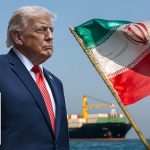
At the same time, state-affiliated media in Tehran reported that Iran would stop exchanging messages with the U.S. through intermediaries and was pausing talks about extending the ceasefire. The same outlets floated the idea of blocking the Strait of Hormuz — a dramatic threat that sent oil prices higher almost immediately. President Donald Trump was blunt on television, saying he “doesn’t care” if the talks are over and calling the process “very boring.” Whether you cheer that line or roll your eyes, the message from Washington was unmistakable: don’t confuse showmanship with weakness.
Why this matters to markets, Americans and the region
When Iran’s oil revenues shrink, the currency slides and prices spike — and those dynamics feed unrest. Past waves of protests in Iran followed spikes in energy and food costs, and analysts now warn that the latest inflation surge could spark fresh demonstrations. For Americans, there’s a direct link: threats to the Strait of Hormuz drive oil-price volatility that raises costs at the pump here at home. The world watches freight chokepoints, the health of oil markets, and whether Tehran’s rhetoric will turn into real action. The safest bet is to assume the regime will posture, but not to gamble on that assumption.
Bottom line: Keep pressure, but watch closely
Iran’s leaders are juggling a domestic crisis and a diplomatic standoff. The best policy is straightforward: keep economic pressure on a regime that badly mismanages its economy, but stay ready for real disruptions. Watch for signs of civil unrest inside Iran, any real moves on the Strait of Hormuz, and the usual market knee-jerks when threats appear. If Tehran thinks bluster will buy time, it has underestimated how quickly rising prices can turn political theater into a political problem for the rulers — and for any nation counting on stable energy supplies.