Staff Reports
President Donald Trump didn’t dial back. In a blunt, on‑the‑record phone interview with Fox News chief foreign correspondent Trey Yingst, he warned Iran in plain language that the United States is ready to hit Tehran’s infrastructure — power plants, bridges, the works — and said he’s “getting close” to ordering fresh strikes if diplomacy stalls. He even used the sort of line that makes diplomats grind their teeth: “we’ll bomb the s— out of them.”
A warning with teeth and a very real price tag
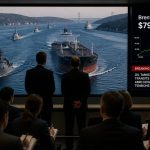
The president’s threats aren’t theater when ships, tankers, and sailors are already on edge in the Strait of Hormuz — the choke point that handles roughly one‑fifth of the world’s seaborne oil. Say what you want about rhetoric, but a blocked or harassed Hormuz drive‑by spikes global fuel prices overnight and funnels pain straight to the American family budget.
Trump’s mention of recent Tomahawk strikes and his vow to target bridges and power plants raises the stakes beyond Twitter and press releases. Tehran pushed back hard, the Revolutionary Guard denied parts of his account, and world capitals warned of escalation — which is exactly what happens when combat talk meets crowded shipping lanes.
Allies, operations, and a sharp word for Israel
He didn’t stop with Tehran. President Trump publicly criticized Israeli operations against Hezbollah in Lebanon, telling Yingst that Israel was “fighting too long” and that “you don’t have to knock down an apartment house every time you’re looking for somebody.” For a president who wants strong alliances, airing that critique in a headline is a clumsy way to keep friends close.
That friction matters on the ground: diplomats are trying to thread a ceasefire needle, military commanders need predictable partners, and Israeli forces operating against Hezbollah risk higher international scrutiny. Meanwhile ordinary people — truckers, commuters, and parents paying for summer vacations — could be the ones who notice the fallout first when pump prices climb again.
Diplomacy undercut by public braggadocio
The interview’s other beat was diplomats. Trump accused negotiators of “playing us for suckers” while asserting he was close to ordering more strikes; Iranian officials denied phone calls and some U.S. claims. Throwing those accusations into the public square while talks are ongoing does two things: it signals toughness to supporters, and it undercuts back‑channel bargaining that often prevents full‑blown war.
With Iran now led by President Masoud Pezeshkian and a reshuffled power structure, noisy threats from the White House make it harder for negotiators to keep the lid on escalation. When the world’s leaders swap loud warnings instead of quiet leverage, normal people pay the bill in energy and security risks.
So who pays, and how much are we willing to risk?
There are moments when clear, forceful language is necessary. But there’s a difference between deterrence and dialing up a street brawl on live TV. If the president is prepared to order strikes that could black out cities or topple bridges in a hostile country, the country needs a clear plan for what comes next — and the American people deserve a sober accounting of the price.
We should all want Iran checked and Hezbollah weakened. We should also want restraint, clear objectives, and a strategy that protects service members and keeps oil flowing without giving foreign capitals an excuse to miscalculate. So here’s the question that sticks: if the president really is “getting close,” are we ready to pay for the consequences?