Staff Reports
Secretary of State Marco Rubio didn’t whisper his frustration — he aired it on national television. After weeks of allies quietly closing doors and tightening rules around U.S. flights and bases tied to the campaign against Iran, Rubio told Sean Hannity the United States is going to “re‑examine” the value of NATO if partners won’t let American forces use their airspace and facilities when called upon.
Rubio calls out NATO — blunt and public
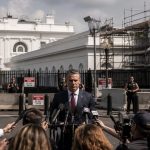
On Hannity, Secretary of State Marco Rubio said the alliance risks becoming a one‑way street: the U.S. defends Europe, but when America needs to move forces, “their answer is ‘No.’” That line cut through the usual diplomatic hedging because it described a real problem — allied restrictions that aren’t theoretical, they’re operational. Rubio’s name on this matters: he’s the man running American diplomacy, and he didn’t couch the threat in bureaucratese. He demanded straight answers, not PR spin.
Which allies shut doors, and why it matters
Spain tightened its airspace rules and made clear it wouldn’t greenlight use of Rota and Morón for Iran‑related flights; Italy denied some landings at Sigonella; France and others imposed limits or extra hoops. These aren’t petty squabbles — they forced U.S. planners to reroute bombers, add tanker refuels and stretch missions that should’ve been straightforward. The operation under way — labeled in reporting as Operation Epic Fury — suddenly became logistically harder and riskier because of those denials.
Real consequences for real people
Longer flights and added refueling aren’t just lines on a planner’s spreadsheet. They burn more fuel, wear out crews faster, and increase exposure time over hostile territory — all things that put young pilots and aircrew at greater risk. Back home, taxpayers will feel it, too: longer missions and patched logistics mean higher costs, and sustained friction with allies could lead to fewer shared exercises and higher bills for American forward posture. You don’t have to be in uniform to lose when allies treat access like optional goodwill instead of mutual obligation.
Diplomacy on two tracks: tough talk and quiet talks
Rubio hasn’t only been on cable; he’s been in Rome talking to NATO Secretary General Mark Rutte and even met Pope Leo XIV at the Vatican to press humanitarian and de‑escalation points. That’s the dual approach: publicly call out the problem to raise pressure, while quietly trying to patch things before any permanent decisions are made. President Donald Trump’s own public slaps at allies — calling them weak or unreliable — give the administration muscle behind the warnings, but muscle without a plan for consequences risks blowing up long‑term security for short‑term satisfaction.
So where does that leave ordinary Americans? If NATO frays, our troops in Europe, the contingency plans for crises, and even energy and shipping security in global hotspots get harder and more expensive to sustain. Will we accept allies who expect our protection but won’t let us use their roads and runways when it counts — or will we change posture in a way that makes Europe less secure and Americans less safe? The answer will tell us what NATO still means.