Staff Reports
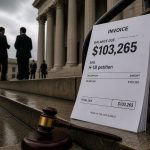
The Department of Homeland Security just dropped a bombshell for employers and foreign workers: a draft rule proposing a $103,265 fee on every H-1B cap-subject petition, including petitions for people already living in the United States. The notice opens a short public-comment window and looks like a regulatory rerun of a prior, court-blocked White House move. This matters for tech companies, universities, hospitals, and anyone who hires skilled foreign labor — and it will not be quiet about it.
What DHS is proposing
Who would pay and how big the hit is
The proposal would add a $103,265 charge to each H-1B cap-subject petition. It applies to the regular 65,000 cap and the 20,000 advanced-degree exemption. Some categories — like many universities and affiliated non-profits and certain hospitals — are carved out, but most private employers would feel the pain. DHS says the fee would bring in billions of dollars and pay for immigration system costs, including thousands of immigration-court positions. In plain terms: employers would face a sticker shock that could change hiring choices overnight.
Why this matters for employers and American workers
A fee this large is not a small policy tweak. Companies that rely on H-1B talent will have to decide whether to pay, pass the cost to customers, or stop filing petitions. That means fewer new hires from abroad in tech, research, and some parts of health care. The administration argues the charge will protect U.S. workers and fund backlogs. Reasonable people can support better enforcement and smarter funding — but a $103,000 blunt instrument risks hollowing out innovation and deepening medical and research staffing shortages while making the U.S. less competitive.
Legal minefield and what comes next
This rule follows a presidential proclamation that tried the same thing and was struck down by a federal judge as an unlawful tax. DHS appears to be attempting the same result by using its fee-setting authority instead of a proclamation. The notice has a short comment window and could be finalized after a rushed rulemaking. Expect immediate lawsuits if it goes final: challengers will argue DHS lacks authority and that the fee is arbitrary. Practical problems like refunds, enforcement mechanics, and whether the fee will actually deter filings will be fought in court and in public.
Bottom line: politics, policy and a better way forward
President Trump and DHS are right to want a fair immigration system and to deal with backlogs — but policy by sticker shock is no substitute for clear law. This draft rule tries to have it both ways: impose a sweeping cost while avoiding Congress. Conservatives should cheer strong borders and fair labor markets, not administrative overreach that hurts American employers and students. The smart play is for Congress to legislate targeted reforms and funding, not for agencies to invent $100,000 fees and wait for judges to sort the mess out. If DHS wants change, ask for a proper conversation — not a surprise bill on the postal scale.