Staff Reports
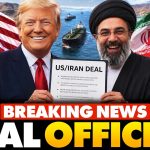
The U.S. military says it struck targets inside southern Iran in what Central Command described as “self‑defense” — missile launch sites and boats laying mines near the Strait of Hormuz. That action, CENTCOM says, was limited and aimed at protecting American forces, but the strikes came while fragile U.S.–Iran ceasefire talks were underway and risk tearing the diplomatic thread everyone’s been tugging on. Here’s why that matters, and why you should care beyond the loud talk and official spin.
What CENTCOM says — and what it didn’t say
Navy Capt. Tim Hawkins, the CENTCOM spokesman, said U.S. forces struck missile sites and Iranian boats that were “attempting to emplace mines,” and framed the action squarely as force protection. The military stressed restraint — a useful word when you’re trying to keep a ceasefire from unraveling — but also made clear that American troops won’t sit still for threats in the Strait of Hormuz. What the Pentagon didn’t offer in the first wave of statements was a full play‑by‑play or independent verification; Tehran promptly painted the strikes as a breach of the truce and vowed consequences.
Why this matters to working Americans
Yes, this is theater halfway around the world, but the ripple hits home: the Strait of Hormuz funnels a chunk of global energy supplies, and trouble there pulls oil prices, delivery costs, and shipping insurance up — which means higher prices at the pump and for the grocery cart. Sailors and Marines stand between diplomacy and escalation; families of deployed service members have to live with the idea that “restraint” can change on a dime. Meanwhile, taxpayers will foot whatever bill comes next, whether it’s more drones, more sorties, or a wider military commitment if diplomacy breaks down.
Negotiations on razor wire
Talks over a broader peace deal — shuttled by Qatar, Pakistan and other regional players while Iranian envoys floated between cities — were already delicate. President Donald Trump has publicly urged tough terms on Iran’s enriched uranium even as he said talks were “proceeding nicely,” and Secretary of State Marco Rubio offered cautious optimism. Strike a target in Bandar Abbas and Tehran hears betrayal; threaten American assets and Washington has to respond. That’s how a negotiation loses its oxygen: each defensive move by one side reads as bad faith to the other.
What to watch next
Independent confirmation of damage, casualties, or claims that drones were shot down is thin so far, which means we’re working off competing narratives — the classic fog of war. The real test is whether CENTCOM’s promise of “restraint” holds or whether each side begins answering everything with force. If diplomacy collapses, ordinary Americans will pay with higher prices and more American blood overseas — and no one in Washington gets a clean hand in that ledger. So ask yourself: when our leaders balance diplomacy against force, who’s at the table for the people who’ll ultimately pay the bill?