Staff Reports
Vice President JD Vance went on television this week and praised the White House announcement of an agreement with Iran as “transformative,” saying the deal will ensure Tehran will “never” get a nuclear weapon. President Donald Trump declared the deal “complete” and said the U.S. will lift its naval blockade of Iranian ports in the Strait of Hormuz. Pakistan’s Prime Minister Shehbaz Sharif says mediators are preparing for a formal signing in Switzerland. Those are big claims — and they deserve big scrutiny.
What Vance promised: no bomb, big peace
On a Fox broadcast, Vice President JD Vance said the administration’s pact will prevent Iran from obtaining a nuclear weapon and, if Tehran complies, will “fundamentally transform the Middle East.” Vance tied non‑proliferation to economic benefits: more investment in the region, lower energy prices for Americans, and less need for U.S. boots on the ground. That’s the cheerleading line, and it’s easy to like the sound of it — who wouldn’t want cheaper gas and fewer overseas headaches?
But the fine print is still missing — and that matters
Here’s the uncomfortable bit: the public hasn’t seen the written terms, the technical annexes, or the verification language. The International Atomic Energy Agency and its Director General, Rafael Grossi, have warned repeatedly about gaps in “continuity of knowledge” at Iranian sites after years of attacks and restricted inspections. In short: the U.S. can say Iran will “never” get a bomb, but without ironclad verification and immediate IAEA access, that’s a promise without the paperwork. Iran’s own officials are sounding cautious, too — not exactly popping champagne in the streets of Tehran.
Big stakes: Strait of Hormuz, markets, and regional balance
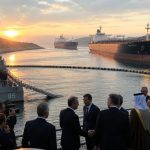
If the Strait of Hormuz really reopens and shipping resumes safely, global energy markets could breathe easier and American drivers might see relief at the pump. The administration also claims a deal would reduce U.S. military exposure and open space for Gulf-Israel cooperation. All of that is possible — but only if the agreement is enforceable, covers missiles and proxies where needed, and comes with a trustworthy verification regime. Without those pieces, the “transformative” line looks more like wishful thinking than strategy.
So here’s the bottom line for conservatives who like wins but hate surprises: celebrate progress when it is real, not when it’s staged. Credit President Donald Trump and his team if they have truly locked down non‑proliferation with robust inspections and clear enforcement. Demand to see the text. Make the IAEA the cop on the beat. Until then, applause should be polite and cautious. The region’s future — and American security — depend on follow‑through, not sound bites.