Staff Reports
The Justice Department unsealed a heavy federal indictment this week against 15 people tied to a Minneapolis protest coalition called Direct Action Minnesota. The charges are serious and the government says it has the digital paper trail to prove it. This story is about law and order, not a debate over feelings at a protest.
DOJ indictment targets Direct Action Minnesota — what the charges allege
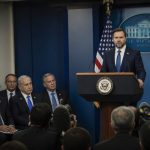
The indictment names 15 defendants and accuses them of a string of federal crimes. DOJ says the counts include conspiracy to impede or injure a federal officer, interstate stalking and threats, solicitation to commit a crime of violence, assault on a federal officer, and destruction of government property. Federal agents arrested 12 people in coordinated actions, two remain at large, and one was already in custody. Acting Attorney General Todd Blanche called the case proof the department will “stop organized political violence.”
Evidence the feds say they have — encrypted chats and blockade tactics
Prosecutors point to months of planning in Signal chat groups, social posts, and video. DOJ described a “Whipple Watch” group, so‑called “dispatchers” and “commuters” who trailed federal vehicles, and the use of hard and soft blockades like trailers, makeshift shields, and even steel obstacles. U.S. Attorney Daniel N. Rosen said the group trained members in surveillance and rapid mobilization to stop ICE and other federal agents by force, not by speech. If the evidence holds up in court, this is more than a noisy protest — it looks like a concerted plot to obstruct law enforcement.
Free speech concerns and the politics — but the rule of law matters
Defense lawyers and civil‑liberties groups warn about First Amendment problems and say the charges could chill protest. Some legal experts called parts of the indictment “thin,” and local reporters note many prior protest charges were later dropped. Fine — courts exist for a reason. But when prosecutors show chats, videos, blockades and coordinated tactics meant to physically stop federal officers, it crosses from speech into criminal conduct. Secretary of Homeland Security Markwayne Mullin called the arrests “a win for law and order.” That’s exactly the right frame: free speech does not include plans to hunt down government agents.
Why this matters going forward
This indictment fits a broader federal push to treat violent, organized anti‑government activity as crime, not politics. The Justice Department’s Joint Task Force Vanguard and related policies aim to clamp down on groups that turn protest into planned violence. Minnesotans — and Americans generally — have a right to peaceful protest. They also deserve officers who can do their jobs without being tailed, harassed, or blocked by people who think ideology excuses lawbreaking. The courts will sort the legal questions, but for now the feds have laid out a clear allegation and a lot of digital breadcrumbs. Keep watching how the indictments hold up in court — and whether local leaders who cheered protests will do the same when the rule of law shows up at their door.