Staff Reports
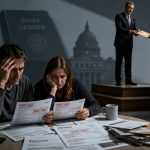
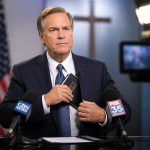
The federal judge’s order stopping the last of the DHS-funded television spots that feature President Donald Trump is the latest round in a courtroom fight that smells more like politics than law. A two-week temporary restraining order from U.S. District Judge Jennifer L. Rochon has frozen nearly $20 million in ad placements and forced the government to cancel remaining reservations. That is the news — and it deserves a clear look.
Judge Rochon’s TRO: what she blocked and why it matters
Judge Rochon, a Biden-appointed jurist in the Southern District of New York, ordered the Department of Homeland Security to stop spending or disbursing money on the challenged ads for 14 days. The order also directed the government to cancel remaining airtime reservations and report back to the court. Plaintiffs like Common Cause, SEIU Local 32BJ, and a Democratic candidate called the ads unlawful taxpayer-funded political messaging timed for the midterms. The government countered that the campaign was already winding down, but the judge said the case was not moot and that the challengers were likely to win at least for now.
Legal claims: appropriations law, publicity bans, and the Hatch Act shadow
The lawsuit leans on the Purpose Statute and a long-standing rule against using appropriated funds for “publicity or propaganda.” Plaintiffs argue the DHS/Customs and Border Protection money was repurposed to push campaign-style messages that prominently feature the president. The administration says the ad run was a public service announcement tied to border security and that Holly C. Mehringer, the DHS official handling finances, treated the funds as available for “commemorating efforts” related to the border. That factual split is exactly why judges are asked to step in — but it’s also why a two-week freeze feels like a blunt instrument for a dispute over wording and intent.
Politics, timing, and theater: who benefits from the pause?
This fight landed on the courthouse steps in the final stretch before the midterms. Democratic groups raced to file suit; the DNC filed a separate case. From a political angle, the timing is obvious: halt ads that look and feel like campaign spots just when every broadcast minute is precious. On the flip side, the administration spent about $20 million with a Maryland firm, LMD Agency, to run the spots and argued any remaining placements were ending. President Trump said he would use campaign funds if necessary. So taxpayers, vendors, and election viewers are left watching lawyers and judges decide whether the public got a legitimate message or an illegal campaign buy.
What comes next — appeals, audits, and the bigger question of government speech
The TRO lasts two weeks but can be extended, turned into a preliminary injunction, or appealed. Expect the Justice Department and DHS to file status reports and perhaps appeal. Congress and watchdogs may probe the accounting and vendor invoices. Here’s the bottom line: the big question is not whether headlines will call this illegal or lawful today. It’s whether courts will let agencies communicate about policy in election season without being accused of partisan motive. Conservatives should want clear rules that protect taxpayer money and free government speech — not a system where lawsuits are a political tool to silence messaging one side dislikes.