Staff Reports
France’s street fury started with kids fed up with crowded classrooms and crumbling school buildings — and it didn’t stay small. What began as a student revolt over education has spread into nationwide demonstrations that, on some days, turned violent, drew far‑left banners and Palestinian flags, and forced the government into crisis mode.
From schoolyards to burning streets
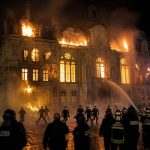
At first the protests were simple and local: high‑school students blocking entrances, demanding more teachers and safer buildings. They swelled fast — hundreds of thousands reportedly hit the streets on weekend marches while fires burned on the fringes and looters attacked shops and municipal buildings. Authorities tallied arrests in the low thousands after the worst days; thousands of parents found their children’s schools closed as the unrest spread to some 400–700 institutions.
Who’s on the barricades?
On Fox & Friends Weekend, Dr. Qanta Ahmed — a senior fellow at the Independent Women’s Forum — warned that pro‑Palestinian and communist elements were “making an anarchic effort” to ride the wave and “hijack” the movement. Wire photos and video show Palestinian flags, Antifa and far‑left banners at some demonstrations, and French ministers have publicly warned of outside agitators exploiting student anger. That’s true as far as it goes, but seeing flags in a crowd isn’t the same as proving a coordinated takeover across an entire country.
The consequences are concrete: burned cars, smashed storefronts, and teachers worried about safety in schools that will now remain shuttered while the political fight plays out. President Emmanuel Macron convened emergency meetings and ministers from education, justice and the interior have publicly condemned the violence while promising action — a response that will mean more police on the streets and a political blowback that could reshape domestic priorities. Left‑wing parties and student leaders insist the core grievances are genuine and deny organizing the violence, leaving us with a messy picture of legitimate protest mixed with opportunistic violence.
There’s a real question for democracies here: when legitimate grievances meet organized radicalism, who speaks for what — and who pays the price? Working parents and taxpayers foot the cleanup, students lose class time, and government credibility takes a hit when officials must choose between crackdowns and conceding to disorder. If this is a contagion spreading across Europe, are Western leaders ready to call out the networks and defend civil order without trampling the right to protest — or will they let the chaos define the politics?