Staff Reports
Mayor Zohran Mamdani and Police Commissioner Jessica Tisch just announced they will disband the NYPD’s Strategic Response Group (SRG). The city plans to replace it with a civilian-led Community Dialogue and De‑escalation Division, a tiny First Amendment Support Team, and new patrol rules. Representative Brandon Gill slammed the move on TV and social media, calling it a defunding of a “primary counterterrorism unit” and even invoked the shadow of 9/11 in his warning.
What the new plan actually does
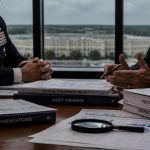
The plan moves protest response out of the old SRG model and creates a civilian Community Dialogue and De‑escalation Division inside the Mayor’s Office of Community Safety. That new division will be unarmed and will not have arrest powers. An interim 30‑officer First Amendment Support Team (FAST) is supposed to operate while the civilian corps is built. The mayor’s office also codified restrictions on kettling, long guns, tear gas, and pepper spray for crowd control, and capped LRAD at 90 decibels. City Hall says counterterrorism tasks will go to the NYPD’s Intelligence and Counterterrorism Bureau, but the timeline is staged and the civilian arm won’t be fully operational for some time.
Why Republicans and police unions are sounding the alarm
Representative Brandon Gill made the conservative case plain: doing this so soon after the 9/11 era — and after an election — looks like defunding the kinds of rapid‑response capabilities New Yorkers rely on. Police union leaders echoed that worry, saying public safety and officer safety will suffer. Critics point out the timing and the thin interim forces: a 30‑officer FAST team and an unarmed civilian unit do not inspire confidence against violent mobs or a serious terror plot. To put it bluntly: talking to rioters is not a substitute for readiness.
Operational gaps are the real test
City officials insist the Intelligence and Counterterrorism Bureau will retain essential counterterrorism functions. That claim matters, but so does reality on the street. The full civilian division won’t be up right away, and the Patrol Support Division will only make arrests “in rare instances.” That gap is what alarms people: if a serious threat appears during the transition, will stretched teams, new rules, and a 30‑officer band be enough? Remember the earlier plot near the mayor’s residence — critics say that episode shows what can go wrong when the response model is weakened.
Bottom line: ideology or public safety?
This is a policy choice with real consequences. Mayor Mamdani can sell it as modern de‑escalation and civil‑rights progress if he likes. Conservatives and many New Yorkers see it differently: as a reshaping of police power that tilts toward appeasing protesters and weakening rapid response. Representative Gill’s 9/11 frame is designed to shock, but the core point is practical — what happens when the city faces its next big test? Voters and watchdogs should demand answers, not slogans, and they should watch how quickly the promises on paper turn into real, street‑level readiness.