Staff Reports
Paul Pelosi, the 86-year-old husband of Representative Nancy Pelosi, is now the subject of a Napa County hit-and-run probe after witnesses say his convertible struck a parked car, paused, and drove off. The sheriff’s office has recommended misdemeanor charges and sent the file to the county district attorney. That is the new news. The rest is context—and a reminder that power and privilege always make the story juicier.
What happened in Yountville: the short version
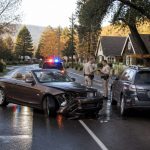
An eyewitness called 911 after seeing a convertible hit a legally parked vehicle, stop for a moment, and then leave. Deputies found the car a short distance away, partly disabled and with front‑right damage consistent with the crash. Paul Pelosi reportedly told investigators he “felt” he had hit something but claimed he didn’t know what it was, so he kept driving until the car could no longer go on. Deputies say no alcohol was detected in his system at the scene. The sheriff’s office recommended a misdemeanor hit-and-run charge and also filed a DMV re‑evaluation referral for his driving privileges.
Why this case matters beyond the crash
This is not just a small-town fender-bender. It touches on equal treatment under the law, public safety, and whether connection and name recognition change outcomes. Paul Pelosi has a prior Napa County DUI conviction from a separate crash. That history makes the new referral and the DMV review significant. The public will rightly ask: will the DA treat this like any other suspected hit-and-run, or will the Pelosis get a gentler path through the system?
What the district attorney and DMV can do next
The district attorney will decide whether to file misdemeanor hit-and-run charges after reviewing the sheriff’s report. If charged, prosecutors can pursue the usual penalties or negotiate a plea. Separately, the DMV re‑evaluation could lead to medical checks, driving tests, license restrictions, or even loss of driving privileges. Local residents and victims deserve to see the process run in the open. Body-cam footage, incident reports, and a clear charging decision would help restore faith that everyone faces the same rules.
Bottom line: a witness says a car hit a parked vehicle and the driver left the scene. Law enforcement did its part by recommending charges and sending a DMV referral. Now it’s up to prosecutors and state regulators to follow through. If justice is blind, it should stay that way—no special treatment for a familiar last name. Voters and taxpayers should watch this closely and demand the same accountability anyone else would get.