Staff Reports
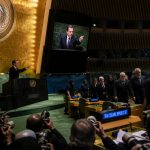
President Donald Trump signed a trilateral security agreement with Denmark and Greenland this week that U.S. officials say locks in permanent U.S. military access, basing and overflight rights across Greenland. It was done on the U.N. stage with fanfare — and without the full legal text immediately available to the public.
What the agreement actually says — and what it doesn’t
The headline line from President Donald Trump was blunt: he called it “permanent control over security” in Greenland and announced plans to build major bases and expand the American footprint. Danish Prime Minister Mette Frederiksen and Greenland’s Prime Minister Jens‑Frederik Nielsen signed too, and their public lines stressed that Greenlandic sovereignty remains intact and that the pact strengthens NATO’s role in the Arctic. Officials briefed reporters that the deal grants the U.S. permanent access, basing and overflight rights and authority to create or expand defense areas, but the full treaty text hasn’t been published for the public to judge.
Why this matters to American security and American workers
Put bluntly: Greenland sits astride the shortest routes between North America and northern Europe. Pituffik Space Base — formerly Thule — is already critical for missile warning, space tracking and Arctic patrols; modernizing and expanding facilities there is about protecting the continent, not sightseeing. For working Americans, this means defense contracts, ship and aircraft work, and steady jobs in engineering and construction if projects actually move forward; it also means taxpayers should expect to see real budgets and oversight, not just press-release bragging.
Sovereignty, parliaments and the missing fine print
That’s where the hiccup is. Denmark and Greenland insist sovereignty is preserved and say the deal will go through parliamentary procedures — and those votes matter. If the U.S. claims “permanent control” but the legal text ties implementation to Danish and Greenlandic approvals, there’s a gap between rhetoric and law that will drive headlines and court fights. Equally important: what happens if Greenland moves toward greater independence? U.S. officials say the pact could survive that shift; Greenlanders and critics will want that spelled out in black and white before anyone breaks ground on another base.
There’s nothing wrong with securing the Arctic — it’s a strategic priority. But security deals don’t become solid because they’re announced next to a podium at the U.N.; they’re solid when the law is clear, parliaments have voted, and local communities see benefits. So here’s the question that should keep everybody honest: will the administration publish the full agreement and invite real scrutiny, or will this remain a photo op dressed up as permanence?