Staff Reports
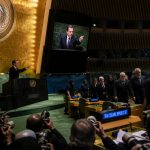
President Donald Trump took the stage at the U.N. General Assembly and did what presidents are supposed to do: secure American interests. The president signed a trilateral security agreement with Prime Minister Mette Frederiksen of Denmark and Prime Minister Jens‑Frederik Nielsen of Greenland that expands U.S. military access in Greenland — a move that strengthens Arctic security, protects vital minerals and energy deposits, and locks down a strategic northern flank against rivals like China and Russia.
What the Greenland deal actually does
Make no mistake: this agreement is about real defense capability. The text and public briefings show the United States won broader access to sites across Greenland, including modernization at Pituffik (Thule) and the ability to establish “defense areas” at southern and eastern locations such as Narsarsuaq and Mestersvig. The deal allows for additional U.S. facilities to be proposed and developed, and it reboots American presence in a place past presidents treated like an afterthought. Keywords like Greenland deal, U.S. military bases, and Arctic security are not buzzwords — they describe practical, on‑the‑ground positioning that matters.
Why it matters for national security and resources
The Arctic is no longer a frozen footnote. It is a theater of competition where China and Russia are aggressively building influence. Greenland sits like a gatekeeper between North America and the North Atlantic. Control of bases there means better missile warning, better air and naval staging, and a stronger NATO northern flank. Add in the strategic value of Greenland’s mineral, oil and rare‑earth deposits, and this isn’t just geopolitics — it’s economic security. If past administrations ignored the map, this administration finally read it.
Ceremony, caveats, and the truth about permanence
Critics leapt on President Trump’s blunt social‑media line that the U.S. now has “permanent control over security” in Greenland and called foul. Fair enough: the joint Danish‑Greenlandic release stresses that sovereignty remains with the Kingdom of Denmark and that national parliamentary procedures must occur before the pact fully enters into force. Translation: the U.N. signing is a major diplomatic and strategic milestone, not a Hollywood instant transfer of land. Still, the agreement’s operative language opens the door to lasting U.S. defense arrangements — and that is a win whether you like the headlines or not.
Let’s be candid. Washington needed leverage in the Arctic and it now has it. The left will fret about semantics and the purists will litigate wording; meanwhile, the United States will be able to defend the homeland and deter rivals from planting a flag at our doorstep. This is smart conservative foreign policy: secure American interests, strengthen alliances, and avoid putting taxpayers on the hook while getting the job done. Opponents can quibble in parliaments and op‑eds; the rest of us should welcome a stronger America in the Arctic.