Staff Reports
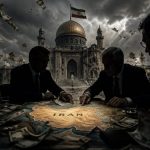
President Trump’s public nudge to the Iranian people to “rise up and fight” has everyone talking. This week the president doubled down on a hard-line approach that mixes economic pressure, naval control of the Hormuz Strait, and targeted military strikes — and he made clear he wants Iranians, not U.S. boots on the ground, to be the real engine of change. That message matters because it marks a shift from talking about deals to pushing for an organic collapse of a dangerous regime.
Trump’s message: not subtle, but deliberate
President Trump’s post made the point bluntly: the United States is tightening the screw on Iran and he expects the Iranian people to seize the moment. He framed America’s posture as one of “almost total control of the Hormuz Strait” and said Iran’s economy is “totally collapsing,” which is the very leverage Washington is using. Whether you call that bold leadership or blunt talk, it is a clear policy signal: the administration wants pressure and leverage to do the heavy lifting.
Economic pressure and military posture are working together
The White House isn’t relying on strikes alone. Treasury-led sanctions and aggressive financial tools have pushed Iran toward what senior U.S. officials privately call a “death spiral.” That economic squeeze, alongside targeted U.S. Navy and Air Force operations, raises real questions inside Tehran — not just about strategy but about who controls the clock inside that fractured regime. If Washington can keep the pressure focused, it magnifies the chances that internal fissures widen.
Why Americans shouldn’t be asked to do the fighting
Here’s the hard truth few in the mainstream want to say plainly: America cannot and should not try to overthrow the Iranian regime by sending in infantry. Nation-building failed elsewhere. What Washington can do is keep a protective umbrella of military power and suffocating economic pressure, and make clear the moral choice confronting the Iranian people. That is both pragmatic and humane compared with open-ended occupations that cost American lives and treasure.
This isn’t wishful thinking or cheerleading; it’s realpolitik wrapped in moral clarity. President Trump’s call for Iranians to rise is provocative, yes, but it recognizes who must ultimately pay the price for change: Iranians themselves. The smart conservative argument is to back the people pushing for freedom, sustain the pressure, and avoid getting trapped in another endless land war. If the regime collapses under its own failures, that will be far better for Iranian liberty and for American interests — and the country that led that outcome will deserve the credit, not the one that tried to do it for them.