Staff Reports
Senator Mark Warner made a blunt point on television this week: pulling U.S. bombers out of the U.K. looks bad and hands Iran a talking point. He’s right to worry about the optics — and he’s right to say Tehran can keep inflicting economic pain if we don’t stop them. That does not mean we should be reckless with lives, but it does mean our leaders must stop playing defense on the world stage and start acting like there are consequences for bad actors.
The Fairford pullback: caution or propaganda victory?
Here’s what happened: U.S. B-1 bombers that had been forward-deployed at RAF Fairford were moved after British and American authorities flagged a security threat and made arrests nearby. Reports say about a dozen B-1s were among the aircraft redeployed. President Trump said the move was made after a threat and defended it as protecting personnel. The Pentagon insists the bomber force remains ready to strike from other locations. All sensible steps if there was a real danger — and yet the headline the enemy wants is simple: we left.
Warner’s warning: a permanent toll on oil, metals, and fertilizer
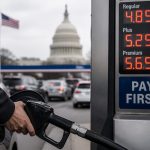
Senator Warner didn’t mince words. He warned the hurried exit “at least gives Iran a propaganda win” and predicted Tehran will keep extracting a “permanent” toll on oil, diesel, aluminum and fertilizer. That’s not hyperbole. Earlier in the conflict, attacks on shipping and threats to Gulf exports pushed oil prices up and made insurers charge more to move cargo through dangerous waters. Fertilizer components and some metals also travel through or from at-risk areas, and disruption there has real effects on farmers and factories back home.
Operational reality and political responsibility
There are two separate but connected issues. One is the operational cost: RAF Fairford shortens flight times and lets us generate more sorties. Temporarily losing that advantage matters. The other is political messaging and oversight: if we withdraw in a way that looks panicked, Tehran will spin it into a win, and voters will feel the price at the pump. Yes, some intelligence is classified and leaders must protect troops. But vague secrecy plus visible withdrawals equals an open invitation for Iran to gloat. Senator Warner is raising a valid alarm — even if Democrats often sound more terrified than strategic.
So what should happen next? Protect the troops. Keep readiness up. But also straighten the spine of our public messaging and congressional oversight. Don’t let safety measures become surrender theater. Demand clear briefings for Congress so assessments don’t get lost in hand-wringing soundbites. And for those who think every cautious move is weakness, remember this: prudence without purpose becomes an advantage for the enemy. If we want to stop paying the “toll” Warner warns about, we need a plan that combines safety, strong deterrence, and smarter public storytelling — not more excuses.