Staff Reports
President Donald Trump floated the idea of meeting Supreme Leader Kim Jong Un “later this year,” even offering an unusually precise estimate of Pyongyang’s arsenal — “57 very powerful nuclear weapons,” he told reporters. It’s the kind of straight talk that cuts through diplomatic double-speak, but words without a plan can be dangerous when missiles are involved.
A summit on the horizon — or just a photo op?
The White House has reportedly asked aides to explore a Trump–Kim summit, possibly timed with an Asia trip around the APEC leaders’ meetings in Shenzhen. The president leans on personal rapport as a negotiating tool; he says he gets along with Kim and thinks it helps. But Beijing, Seoul and Washington remember the 2018–19 encounters: great headlines, little verifiable denuclearization.
Pyongyang’s response was predictably ambiguous. Kim Yo Jong pushed back through state media, denying recent direct contact even while praising the “excellent” relationship, and then North Korea fired a string of short-range ballistic missiles — a clear reminder they haven’t stopped sharpening the tools that matter most.
What this means for U.S. strategy and our allies
One immediate, concrete consequence: the U.S. trimmed parts of the Ulchi exercises with South Korea after the outreach — a move that set off alarm bells in Seoul and Tokyo about readiness and signaling. When allies see drills shortened and the adversary still launching missiles, confidence frays and deterrence becomes a political talking point instead of reality on the ground. Ordinary Americans don’t care about diplomatic theater; they care that our troops and partners aren’t left exposed because someone prefers a handshake moment for the cameras.
And let’s be clear about the bargaining table. North Korea has long demanded sanctions relief and recognition in return for promises that have proven hard to verify. If a summit is on the docket, Americans deserve to know what will be offered and what independent verification will look like. The “57” figure the president cited is more specific than the public estimates usually are — that’s not a problem in itself, but it underscores how murky the intelligence and verification picture can be.
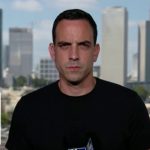
Voices like retired Navy Capt. Brent Sadler — who’s been on air weighing in — argue that personal chemistry can open doors. I’ll grant that: relationships can buy you time and a starting point. But chemistry doesn’t dismantle centrifuges or account for hidden warheads; diplomacy without enforceable verification is just a nicer headline for the same old problem.
If a Trump–Kim summit happens, demand should be simple and patriotic: show the Americans and our allies tangible steps and ironclad verification, not photo ops and vague promises. Will this be a moment of real leverage, or another episode in the cycle where optics replace outcomes? Who’s protecting the hard-earned security of the next generation if it isn’t us asking that question out loud?