Staff Reports
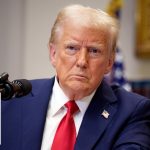
President Donald Trump stepped up to the microphones on the tarmac this week and told Americans the Iran war would end “immediately after the election” and that oil and gasoline prices would start “tumbling down.” Markets reacted the same day: Brent crude jumped back above $100 a barrel and U.S. pump prices moved higher. The scene was equal parts campaign promise and market drama — and voters will feel the results at the pump.
Trump’s tarmac promise and the oil price spike
On-the-record remarks from President Trump tied the end of the Iran conflict to the midterm elections and suggested energy costs would fall after voters head to the polls. Traders took notice. Brent crude climbed above $100 per barrel as geopolitical risk returned to markets. U.S. WTI traded lower, in the mid‑$90s during the same session, so headlines claiming WTI hit $101.53 need a careful double-check. Still, the oil market moved, and that movement quickly showed up in gasoline prices.
Why oil jumped: geopolitics, not just inventory reports
The price surge was driven by war risk, not by a sudden shortage on shelves. Attacks on shipping and energy sites and renewed strikes raised the so-called geopolitical premium. At the same time, U.S. inventories showed modest draws while strategic releases from the SPR continued to limit some upside. Markets are pricing in danger to supply lines, and when traders smell trouble in the Middle East, they bid crude higher — even if tankers and terminals are still moving fuel for now.
Politicians, advisers and the pump-price pain
While the president publicly pledged relief after the midterms, reporting from inside the White House shows Vice President JD Vance and Secretary of State Marco Rubio have privately warned the conflict could drag on through the end of the administration. That contradiction matters. AAA’s daily tracker already showed national gasoline averages edging up by roughly five to six cents in a day, and pump prices usually lag crude increases. Translation: voters will feel this in their wallets before any political promise becomes policy.
What voters and drivers should watch next
Watch the benchmarks: Brent will tell you how fast risk is priced in, and WTI will show the U.S. reflection of that price. Watch SPR announcements and weekly inventory prints — they will temper markets only so much. Most of all, watch the politics: if the White House keeps promising post-election relief while advisers expect a drawn-out conflict, be skeptical. In the end, voters will pay at the pump; politicians will promise remedies. That’s been the drill for years. This time, the timing on that promise might be the most political thing of all.