Staff Reports
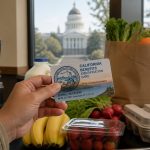
California quietly patched the hole in its fruit-and-vegetable giveaway with a one‑time $20 million refill from the state budget. The CalFresh Fruit & Vegetable EBT pilot will restart October 1, 2026, according to state officials — but only until the money runs out. Call it produce on a timer: fresh fruit for now, worry about the bill later.
What exactly restarted and how it works
The program gives CalFresh households a dollar-for-dollar match when they buy fresh fruits and vegetables at participating stores, up to $60 per household each month. The state loads earned incentives to recipients’ EBT cards, and those funds can then be spent where CalFresh is accepted. The latest top-off comes from the 2026 Budget Act, which set aside a one‑time $20 million General Fund pot that is available for spending through mid‑2028. State officials and the California Department of Social Services are clear: the pilot resumes October 1, 2026, and will operate only while that one‑time money remains.
One‑time funding, shaky future
Here’s the problem: papering over a recurring need with a one‑time payment is not a plan. The pilot has launched, paused, and relaunched several times since it began in 2023. That on‑again, off‑again pattern is not comforting for families who learned to count on the benefit — or for grocers who must flip systems on and off. Meanwhile, state budget documents show roughly $3.2 billion in California spending on CalFresh and related nutrition programs, so a $20 million plug-in is a drop in a very large bucket. The California pitchwoman for the restart — Assemblymember Alex Lee — praised the move, and the administration took bows. Fine. But lawmakers still haven’t answered whether this becomes permanent or is just another election‑season Band‑Aid.
Who wins, who pays, and what really changes
Yes, the pilot has helped hundreds of thousands of households when it ran. Yes, fresh fruit is healthier than chips. But the program’s reach depends on participating retailers and county readiness. Rural areas and smaller stores may lag behind or be left out. And don’t forget the federal context: SNAP is a massive national program that spent about $101.7 billion in FY2025 and serves more than 40 million people monthly. California stepping in with state dollars is a political choice, not an inevitability. Voters should ask whether this is the best use of state dollars or simply a way to paper over federal choices while expanding ongoing state responsibility for assistance.
Why Republicans should care
Conservatives should push for transparent budgeting and long‑term solutions, not ad hoc subsidies. If the goal is real, lasting nutrition improvements, lawmakers should either fund an ongoing program responsibly, target help where it’s most effective, or allow private charities and market initiatives more space to help without making taxpayers the permanent meal ticket. Otherwise voters get a cycle: promise, shortfall, restart, applause — rinse and repeat.
California’s fruit‑and‑veggie pilot restarting is a small victory if you care about immediate food access. It’s a warning sign if you care about honest budgeting. The state can keep tossing one‑time dollars at problems, or it can decide whether this program belongs in the permanent budget — and if so, how to pay for it without hollowing out other priorities. Until then, enjoy the strawberries while they last. The clock is running, and so is the taxpayer tab.