Staff Reports
The Department of Justice has moved from internet outrage to real courtroom action after undercover video from James O’Keefe’s team exposed what appears to be paid voter-registration activity on Los Angeles’s Skid Row. The federal government says the evidence prompted a probe and led to charges against Brenda Lee Brown Armstrong, a longtime petition circulator who has agreed to plead guilty. This case should make every American ask a simple question: if voting is sacred, why are people treating registration like a cash-for-signatures side hustle?
DOJ Charges: What Officials Say About Voter Registration Fraud
Federal prosecutors charged Brenda Lee Brown Armstrong with one felony count of paying another person to register to vote — a crime that carries serious penalties. The U.S. Attorney’s Office for the Central District of California and the Justice Department’s Civil Rights Division say Armstrong paid people small amounts, like a couple of dollars, cigarettes, or phone cards, to fill out voter-registration forms and petition signatures. Assistant Attorney General Harmeet K. Dhillon made the point plain: “False registrations undermine Americans’ faith in elections — even more so when payoffs are involved.” Agents from the FBI and the USAO reviewed the undercover footage and opened the investigation after seeing it, according to prosecutors.
Video Evidence vs. the Charge
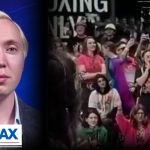
Let’s be clear about the legal facts versus the viral clips. The videos published by James O’Keefe’s team show people saying they were paid for signatures and, in some clips, urged to cast ballots for specific candidates. Prosecutors, however, charged Armstrong only with paying for registrations — not with paying people to vote for a particular candidate. Paying someone to register is a federal felony in federal elections; paying someone to vote would be a separate and even more serious crime. Reporters and readers should keep that distinction in mind until any additional charges, if any, are filed and proven in court.
Why This Case Matters for Election Integrity in Los Angeles
This is not a partisan stunt. When people are paid to create bogus registrations, it creates weak links in the chain that leads to mailed ballots and certified results. Los Angeles County was deep in its primary certification and post-election ballot counting when these allegations surfaced — not an ideal time for extra uncertainty. The DOJ has also been pressing for better access to voter roll data and has a broader interest in how states maintain their lists. If you want trust in elections, you need strong rolls and strong enforcement. That means tracking circulators, auditing registrations, and prosecuting clear fraud when it appears.
Bottom Line: Enforcement and Reforms, Not Excuses
Credit where it’s due: investigators followed the video to a real prosecution, and that sends a message. Whether you cheer James O’Keefe’s methods or not, the footage helped start an inquiry that produced charges — and that is how accountability is supposed to work. Local officials and state lawmakers should quit playing defense and start fixing the problem: tighten rules for paid circulators, increase verification steps for registrations gathered in the field, and fund audits that catch bad actors before ballots go out. If America wants honest elections, it will punish fraud and remove easy opportunities for it. No one should mock victims of homelessness by turning their signatures into cash transactions — and no one should shrug when the system is gamed.