Staff Reports
President Donald Trump stepped away from summit pleasantries and into a much darker script this week. On the sidelines of the NATO meetings, he told reporters the temporary deal with Iran was “over” and warned the United States “probably” would strike Iran again “tonight.” Those are not the words of someone testing the waters. They are the words of a commander ready to finish a fight.
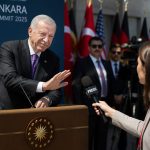
Trump’s warning at the NATO summit
Asked if the U.S. would strike again, President Donald Trump said, “We hit them very hard last night … We’ll probably hit them hard again tonight.” He added that the interim ceasefire is effectively over: “I think it’s over,” he told reporters. Then he teed up the bigger idea: “Let’s just finish the job.” Simple. Blunt. Loud enough for Tehran to hear from Ankara.
What happened on the ground
U.S. military officials say a major operation hit scores of Iranian targets and dozens of small boats used by the IRGC to menace shipping. Iran says it struck back with drones and missiles and that Gulf air defenses were activated. As always in war fog, the two sides trade big numbers and different versions of the same night. Independent verification is limited. What matters is the result: the fragile pause has frayed, and the Strait of Hormuz — where global shipping passes — is hotter now.
Consequences for markets and allies
Markets reacted the way they always do when oil flows are threatened: crude prices jumped and insurers and shippers raised red flags. Gulf states rushed to shore up defenses and called for calm, even as leaders warned that a wider flare-up could hit civilian shipping and energy supplies. NATO partners and regional players are watching closely. They want stability. They also want to know whether the administration’s next move is strategic or simply theatrical.
Why this matters — and what should come next
President Trump has every right to defend U.S. ships and sailors. He also has a responsibility to be clear about the plan and the risks. Striking back can be the right choice. But escalation without a clear endgame risks dragging allies and markets into a longer, costlier fight. If the goal is denuclearization and a safer Gulf, then “finish the job” must mean a path to lasting pressure and regional stability — not an endless headline chase. The White House should use this moment to explain strategy, show coalition support, and keep trade routes open.
In short: toughness matters. So does prudence. The president’s warning was strikingly direct, and sometimes directness is what it takes. Now let’s see if that directness comes with a strategy to secure American interests — and not just more nightly fireworks for the cable channels.