Staff Reports
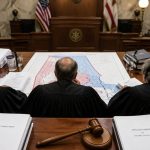
The three-judge federal panel’s order stopping Alabama from using the Republican-drawn 2023 congressional map in the run-up to the 2026 elections is a big, messy drama with real stakes. The court told Alabama to keep using the court-drawn remedial map — the one with two Black-opportunity districts — while the case plays out. That decision will be appealed. In the meantime, voters and election officials are stuck in the middle.
Panel blocks GOP map — what happened
The panel issued a preliminary injunction. The judges said there was strong evidence the 2023 plan was drawn with race as a driving factor, and they would not force Alabamians to vote this year under a plan the court called tainted by intentional race-based discrimination. The order keeps the special-master map from the prior cycle in place unless the Alabama Legislature adopts a new map that the court accepts. Attorney General Steve Marshall has already said the state will appeal to the U.S. Supreme Court. Governor Kay Ivey’s timetable for special primaries is now up in the air.
Why this ruling matters for Alabama redistricting and the 2026 elections
This is not just legal hair-splitting. The choice of map changes who will have a fair shot at a congressional seat. The 2023 GOP plan would likely reduce Black-majority or Black-opportunity districts from two to one. That shift makes a difference in a close House fight. The panel’s injunction also sidesteps the messy reality that the Supreme Court recently narrowed the standards judges use in race-based gerrymandering cases. Whether you call it judicial caution or judicial overreach, the bottom line is this: the panel’s order stops the state’s plan now and pushes the political outcome back into a courtroom instead of letting voters decide.
What Alabama should do next
Appeal fast — or legislate a clean map
Alabama has two clear paths. One is an emergency appeal to the Supreme Court. If the high court steps in, the map question could be decided quickly. The other path is for the state Legislature to pass a new congressional plan that meets the court’s legal concerns and the standards the Supreme Court has articulated. Either route will be messy and fast-moving. Senate Republicans and state leaders should be ready with a legal and political plan that protects the rule of law and voter confidence — and not just a map drawn to chase a single seat.
In politics and in law, timing matters. Courts worried about election chaos. Legislatures can act. The smart conservative play is to fight this in the appellate courts while also giving voters a clear, lawful map that can survive review. If Republicans want to win fairly, they should focus on clean maps and good arguments — not courtroom theatrics and last-minute scramble. Alabama’s leaders now have to choose whether to litigate, legislate, or both. Voters deserve an answer they can trust, not another round of legal ping-pong.