Staff Reports
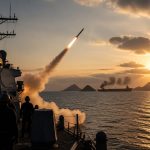
The United States has resumed strikes inside Iran, with U.S. Central Command saying American forces hit Islamic Revolutionary Guard Corps (IRGC) targets to stop attacks on commercial shipping and protect U.S. personnel. CENTCOM said the strikes began at 12 p.m. ET and were aimed at IRGC command centers, missile and drone facilities, and coastal surveillance and maritime capabilities. President Donald Trump directed the operation and Admiral Brad Cooper, Commander, U.S. Central Command, is overseeing the campaign.
What the strikes hit and why
CENTCOM says the targets were chosen to degrade the IRGC’s ability to threaten ships in the Strait of Hormuz and to impose “heavy costs” for attacks on international commerce. That is a plain, sensible mission: keep a vital shipping lane open and blunt Iran’s maritime harassment. When Iran uses small boats, mines, drones or coastal radars to menace tankers and cargo ships, the world pays in higher fuel prices and broken supply lines. If diplomacy fails, force to protect commerce is not only lawful — it’s necessary.
Iran’s reaction and regional risk
Unsurprisingly, Iran’s state media and the IRGC condemned the strikes and promised retaliation. Tehran calls U.S. moves “aggression,” which is rich coming from the regime that has spent years choking off free trade in the Gulf and sponsoring proxy attacks across the region. Independent ship-trackers report a sharp fall in tanker traffic through the strait since hostilities resumed, and oil benchmarks have jumped on fears of supply disruption. This is why deterrence matters: the alternative is a longer, pricier mess for global markets and for everyday Americans filling their tanks.
Politics at home — who gets the credit and who asks questions?
President Donald Trump has ordered the strikes, and the administration is rightly framing them as protection of U.S. forces and commerce. Lawmakers should demand timely briefings and exercise oversight — that’s how a republic works — but now is not the time for theatrical second-guessing that handcuffs commanders in the field. If Democrats want to show seriousness, they should support measures that back U.S. sailors and shipping firms, not stage photo-ops criticizing resolve. And yes, Congress can insist on answers about legal authority and the plan forward; oversight is compatible with backing our forces.
Bottom line
The resumption of strikes on IRGC targets is a clear message: attacks on shipping will be met with force. That is the right posture for a nation whose security depends on free trade and secure sea lanes. The next moves matter — both militarily and politically — and America should keep the pressure where it belongs: on Tehran, not on the people who want safe passage and stable prices. Call it firm, fair, and exactly the medicine Iran needed after years of playing bully in the Gulf.