Staff Reports
The Strait of Hormuz is supposed to be a lane for commerce, not a chessboard for proxy warfare. This week, that line was crossed — and Washington responded with force after what U.S. commanders say was an Iranian drone strike on a commercial ship. The result is a fragile ceasefire suddenly on life support.
What happened in the Strait of Hormuz
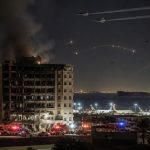
CENTCOM says U.S. aircraft struck Iranian missile and drone storage sites and coastal radar locations after an apparent one-way attack drone slammed into a Singapore‑flagged commercial cargo ship transiting the strait. U.S. forces reportedly shot down other inbound drones, but one struck the vessel — an act Washington called a clear breach of the interim ceasefire established under the recent memorandum of understanding. The strikes targeted facilities near Qeshm Island and were described by CENTCOM as a “powerful response” meant to be proportionate and limited.
Why this move matters for the ceasefire and negotiations
The 60‑day MOU was a simple idea: stop shooting, reopen shipping lanes, and give diplomacy a chance. Tiny, tactical incidents at sea can wipe out that fragile window faster than any speech. If Tehran thinks it can keep pressing on commercial shipping and still sit at the table, this week shows those assumptions are dangerous and costly.
Diplomacy under pressure — and a real risk of escalation
President Donald Trump called the ship attack “a foolish violation” on Truth Social and Vice President JD Vance warned that “violence will be met with violence.” Tehran’s state outlets and IRGC spokesmen immediately condemned the U.S. strikes and promised retaliation, which means we’re in that ugly phase where rhetoric and limited military actions can spiral. Neither side looks ready to blink, and every tit‑for‑tat makes the 60‑day clock harder to salvage.
What ordinary Americans should care about
This isn’t just geopolitics for the elite to trade like baseball cards. When shipping in the Strait of Hormuz is threatened, insurance premiums and freight costs rise, energy markets jitter, and the gas pump becomes a little less predictable. Sailors and mariners face real danger. A single drone against a commercial ship is proof that bad actors will target trade if left unchecked — and that has a price tag at home.
So what’s the question we’re left with: can diplomacy survive kinetic enforcement, or will limited strikes and counterclaims collapse the whole deal and drag us into a wider fight?